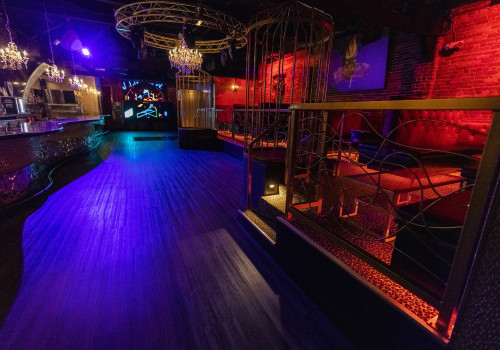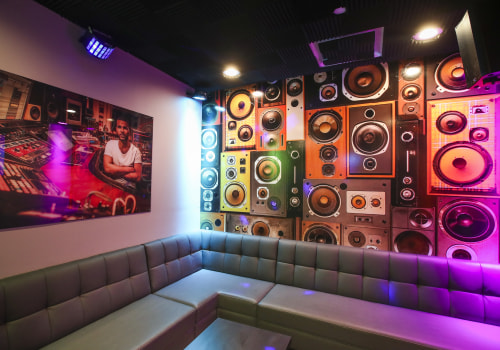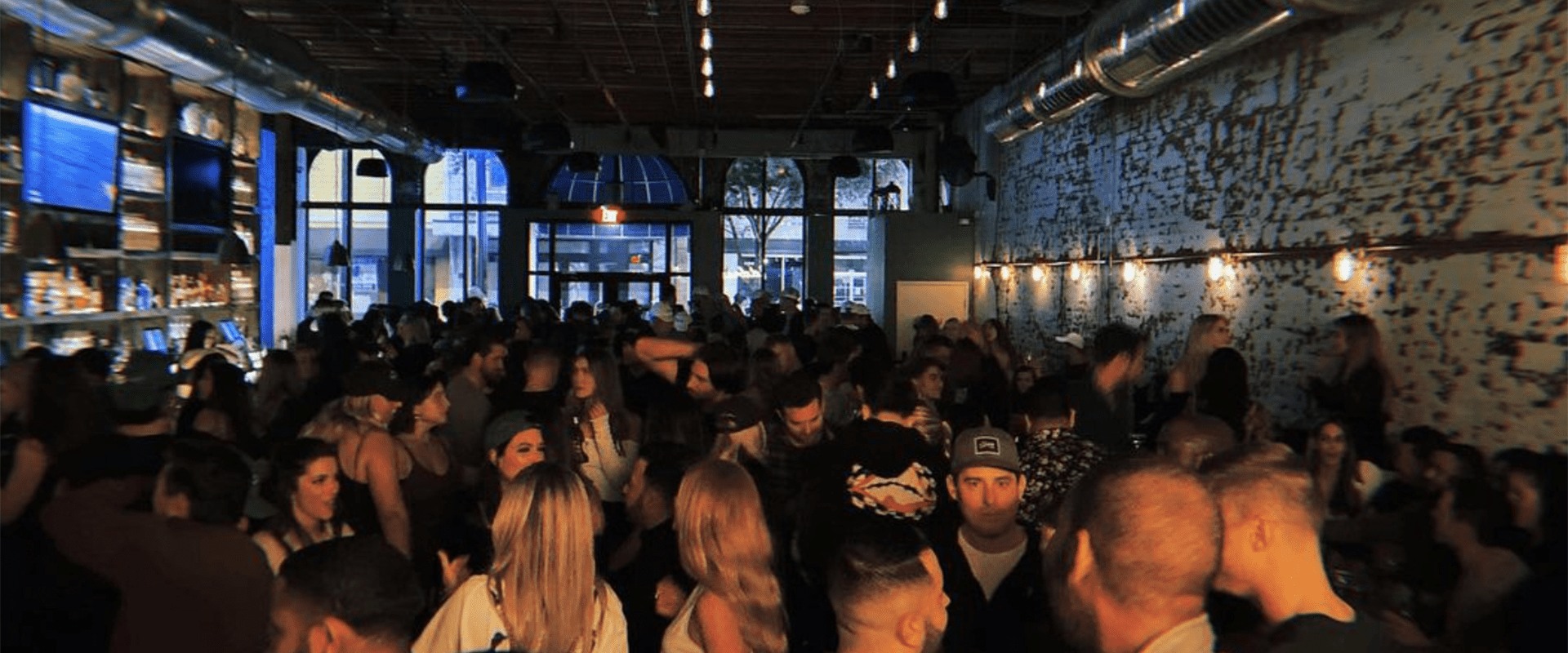
Music bars are often viewed simply as places where people gather to enjoy live performances, socialize with friends, and unwind after a busy day. However, throughout Tampa, Florida, these establishments play a much larger role than many people realize. Beyond serving food, drinks, and entertainment, music bars contribute significantly to the identity and culture of the neighborhoods in which they operate. They help shape local character, support creative communities, and provide gathering spaces that bring residents together. While their cultural influence may not always receive widespread recognition, music bars often become defining features of the communities they serve.
Creating Distinct Neighborhood Personalities
Every neighborhood develops its own unique atmosphere, and music venues frequently contribute to that identity. Some areas become known for jazz performances, while others develop reputations for rock, blues, acoustic sets, country music, or emerging local talent. The type of music regularly featured within a neighborhood can influence how residents and visitors perceive the area. Music bars help create cultural landmarks that distinguish one district from another, giving communities a recognizable personality that extends beyond architecture or geography. Over time, these venues become associated with local traditions, memorable experiences, and shared community stories.
Supporting Local Artists and Creative Growth
One of the most important contributions music bars make is their support of local artists. Many musicians rely on neighborhood venues as places to develop their craft, connect with audiences, and gain performance experience. These establishments often provide opportunities for emerging talent that may not yet have access to larger stages. By supporting local performers, music bars contribute to the growth of Tampa’s creative economy and help cultivate a vibrant arts scene. In many cases, artists who begin performing in neighborhood venues go on to achieve broader recognition while maintaining strong ties to the communities that supported them early in their careers.
Encouraging Community Interaction
Music bars also serve as valuable social gathering spaces. Residents who may not otherwise cross paths often come together to enjoy live performances and shared experiences. These interactions help strengthen community connections and foster a sense of belonging. Whether attending a weekly live music event, participating in an open mic night, or supporting a local band, patrons often develop relationships that extend beyond the venue itself. This social function helps music bars contribute to the overall vitality of neighborhood life while creating opportunities for meaningful community engagement.
Contributing to Local Economic Activity
The influence of music bars extends into economic development as well. Live music venues often attract visitors who support nearby restaurants, shops, and other local businesses before or after performances. Areas with active music scenes can become destinations that draw both residents and tourists, contributing to increased foot traffic and commercial activity. These economic benefits help support broader neighborhood growth while reinforcing the area's cultural appeal. In many cases, music bars become important anchors within entertainment districts that encourage continued investment and community development.
The Connection Between Music and Community Events
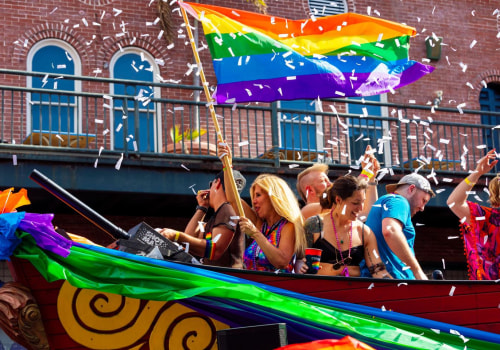
Music-centered venues frequently play a role in broader community celebrations and gatherings. Special performances, neighborhood festivals, fundraising events, and cultural programs often incorporate live music as a key component of the experience. Event planners and community organizers recognize that music has the ability to bring people together and create memorable moments. Companies such as A Party 2 Remember understand the importance of atmosphere and shared experiences, highlighting how entertainment and event design can contribute to successful community gatherings that strengthen neighborhood connections.
Preserving Tampa’s Cultural Character
As Tampa continues to grow and evolve, music bars remain important contributors to the city’s cultural landscape. They provide platforms for artistic expression, create opportunities for social interaction, support local economies, and help define neighborhood identities. While they may often be viewed primarily as entertainment venues, their broader impact extends into community development and cultural preservation. By fostering creativity and bringing people together, music bars quietly help shape the unique character of Tampa’s neighborhoods and ensure that local culture continues to thrive for future generations.